Acne Treatment
Acne Consultations & Treatment
Clearer skin. Less inflammation. Long-term control.
At The Skin Doctor, we treat acne as a medical skin condition, not a cosmetic flaw.
Breakouts can affect confidence, comfort and quality of life at any age. Our approach is doctor-led, evidence-based and personalised, aiming to calm active acne, protect the skin barrier and reduce the risk of long-term scarring where possible.
We don’t believe in harsh routines or quick fixes.
Instead, we build a plan around your skin, your lifestyle and your goals — with realistic timelines and ongoing support.
Want the detailed science and treatment options? Start here:
Acne: Causes and Treatment Options
Prefer “natural-aligned” care and minimal oral medication? Start here:
Natural Ways to Treat Acne
Acne Treatment
Your Acne Consultation
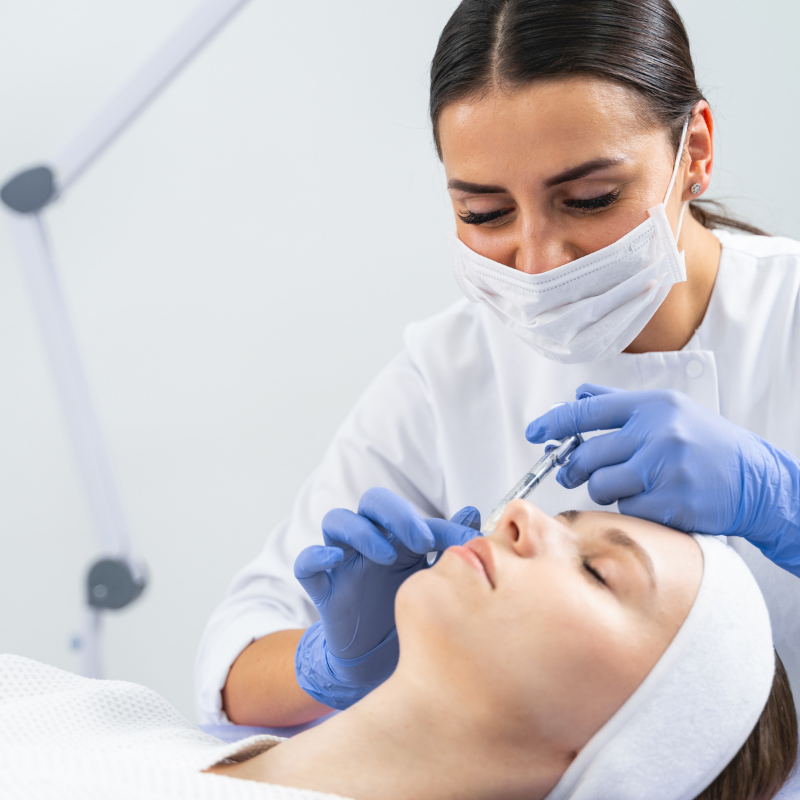
Every acne journey begins with a thorough medical consultation.
During your appointment, your doctor or dermal clinician may:
- take a detailed medical, medication and hormonal history
- ask about diet, stress, sleep, skincare and make-up use
- examine the type and distribution of acne (comedonal, inflammatory, cystic, hormonal patterns)
- assess for early or established scarring and post-inflammatory pigmentation
- review previous treatments and why they did or didn’t help
- develop a staged plan combining home care and in-clinic options
You’ll receive clear information about expected timelines, cost structure and next steps. Acne typically improves over months, not days — our role is to guide you safely through that process.
Acne Treatment
What Causes Acne?
Acne is usually driven by a combination of:
- increased oil (sebum) production
- blocked pores from excess dead skin cells
- bacterial overgrowth in follicles contributing to inflammation
- hormonal influences (especially androgens)
- genetic predisposition
- external factors such as comedogenic products, friction or occlusion
Because the drivers differ between individuals, the most effective plans are multifactorial and tailored.
For a full breakdown and practical self-care guidance, see:
Acne: Causes and Treatment Options
Acne Treatment
Our Approach to Acne at The Skin Doctor
Every acne journey begins with a thorough medical consultation.
During your appointment, your doctor or dermal clinician may:
- take a detailed medical, medication and hormonal history
- ask about diet, stress, sleep, skincare and make-up use
- examine the type and distribution of acne (comedonal, inflammatory, cystic, hormonal patterns)
- assess for early or established scarring and post-inflammatory pigmentation
- review previous treatments and why they did or didn’t help
- develop a staged plan combining home care and in-clinic options
You’ll receive clear information about expected timelines, cost structure and next steps. Acne typically improves over months, not days — our role is to guide you safely through that process.
Acne Treatment
Our Approach to Acne at The Skin Doctor
We manage acne using four pillars.
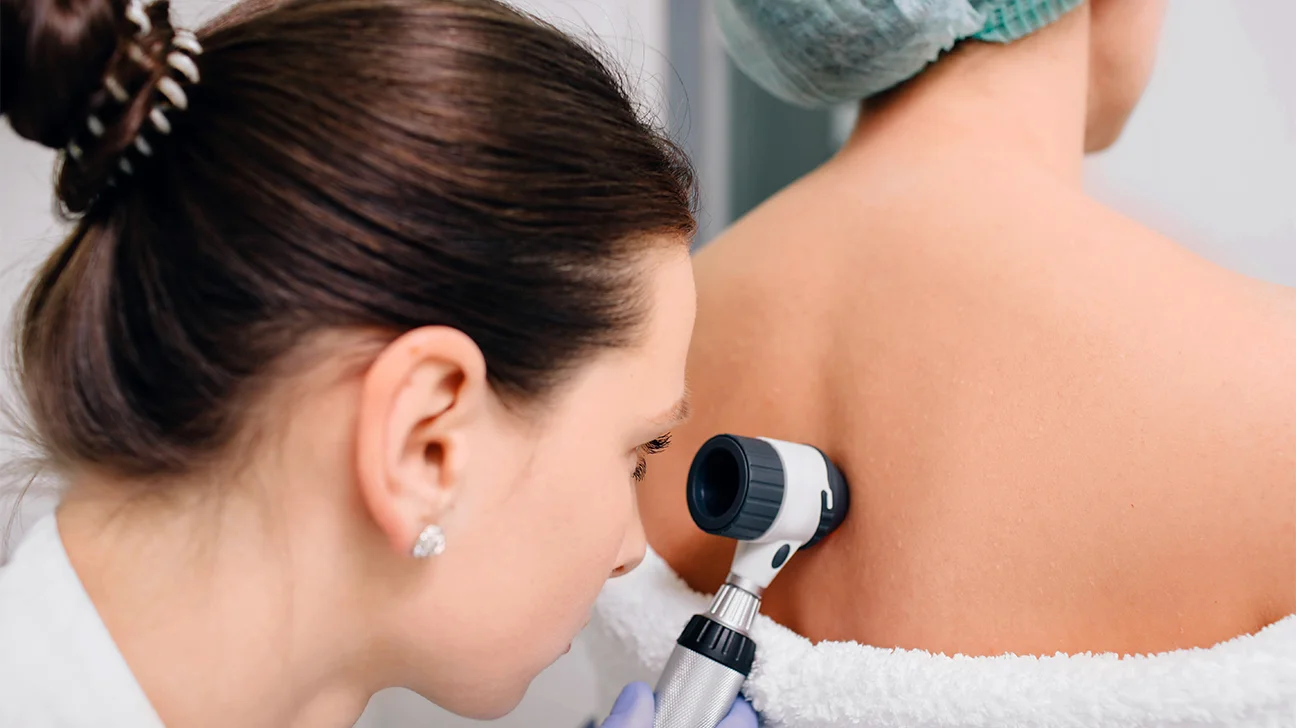
1. Medical-Grade Skincare & Daily Routine
- gentle, non-stripping cleansing
- acne-appropriate exfoliation (e.g. salicylic-based options where appropriate)
- topical retinoids (vitamin A) to reduce congestion and support turnover
- non-comedogenic moisturisers to protect the barrier
- daily SPF that won’t worsen congestion
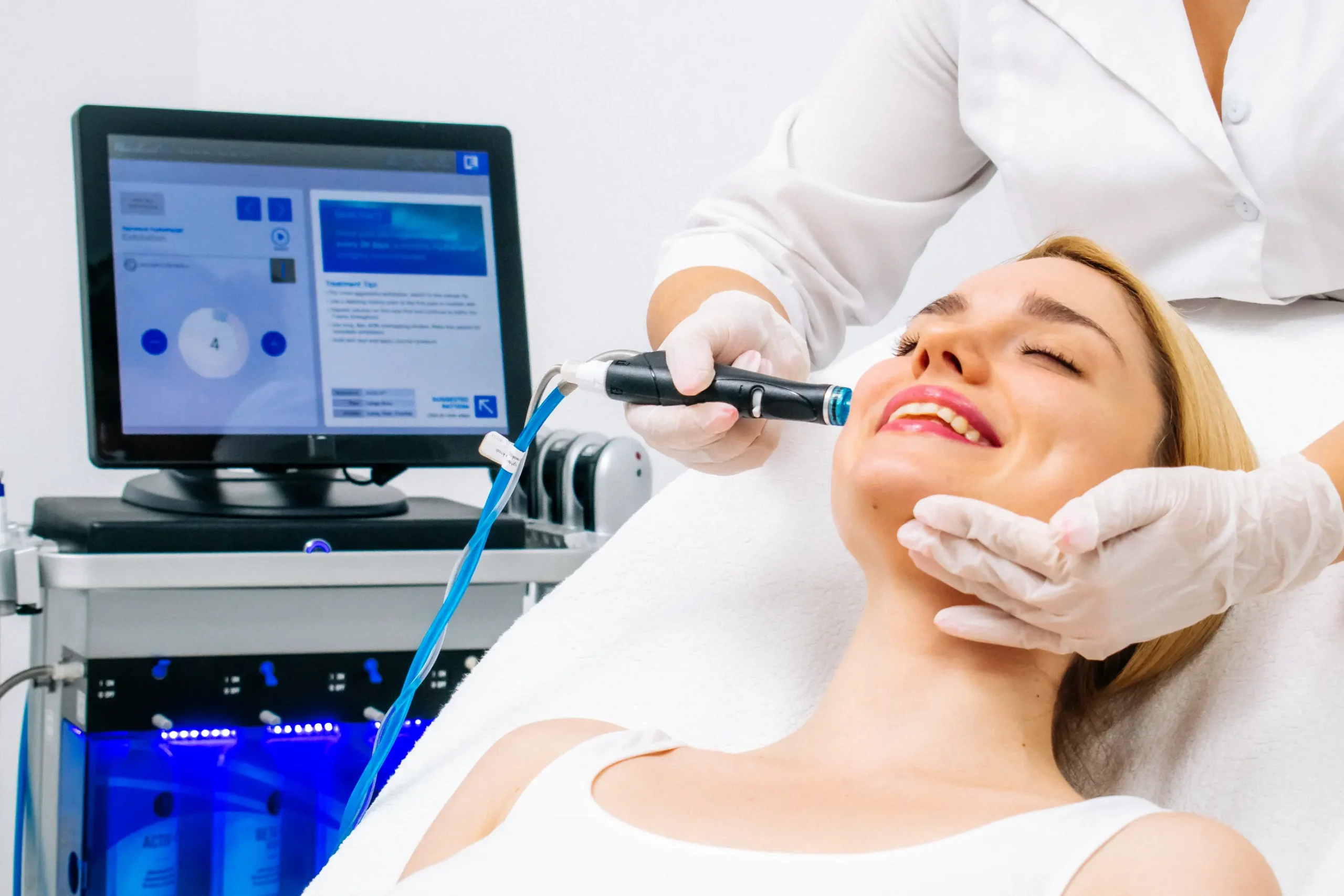
2. In-Clinic Treatments
Depending on acne type and severity, we may recommend:
- chemical peels (often salicylic or blended peels)
- LED light therapy as an adjunct
- laser therapy for acne (selected cases)
- photodynamic acne therapy (selected cases)
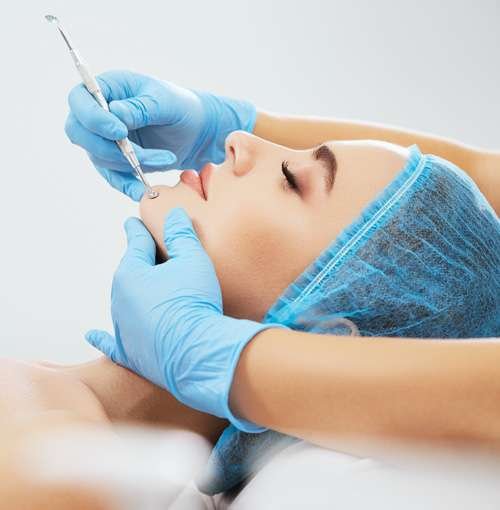
- careful extractions/decongestion where appropriate
Learn more:
3. Prescription & Medical Therapies
For moderate to severe acne, skincare alone is often not enough.
Your doctor may discuss:
- prescription topical therapies
- time-limited oral antibiotics in selected cases
- hormonal options for suitable female patients
- consideration of oral isotretinoin in severe or scarring acne
Medications are used responsibly and with clear monitoring, aiming for long-term control.
4. Lifestyle & Skin Health Education
While acne isn’t caused by “bad habits,” certain factors can influence severity. We may discuss:
- stress and sleep
- diet patterns in a practical, non-extreme way
- product selection and make-up choices
- sun protection to reduce dark marks after acne
If dark red or purple post-acne marks are a major concern, see:
Post-Inflammatory Hyperpigmentation (PIH)
Acne Treatment
Can Treating Acne Help Reduce Scarring?
Yes. Early, appropriate acne treatment can reduce the risk of scarring, especially when:
- inflammation is controlled
- picking/manipulation is avoided
- the barrier is supported, not stripped
If scarring is already present, we often use a staged plan:
1.control active acne
2.then treat scars with evidence-based options
Acne Treatment
What to Expect From Acne Treatment
- improvement is gradual over weeks to months
- some treatments (especially retinoids) can cause an initial adjustment phase
- review appointments refine the plan and introduce in-clinic treatments at the right time
Our goal is stable, long-term control — not a brief “good patch.”
FAQs
Frequently Asked Questions
Is acne a cosmetic or medical issue?
Acne is a medical skin condition with cosmetic impact. It often responds best to a combination of medical treatment and supportive skincare.
Can acne be treated with skincare alone?
Mild acne may respond well to skincare and in-clinic therapies. Moderate to severe acne often benefits from prescription treatment and medical oversight.
How long will I need treatment?
Most acne plans run over months rather than weeks. Some patients require maintenance routines long-term.
Will I have to stop wearing make-up?
Not necessarily. We may recommend switching to non-comedogenic or mineral products and adjusting cleansing routines.
Acne Treatment
Your Acne Consultation at The Skin Doctor
If you’re dealing with ongoing breakouts, adult-onset acne, or concerns about scarring, our team can help you understand what’s driving your acne and what can realistically be improved.
We focus on:
- calming inflammation
- protecting the skin barrier
- reducing long-term scarring risk where possible