Facial
Facial Resurfacing & Skin Renewal
- texture
- fine lines and early wrinkles
- visible sun damage
- mild scarring
- overall skin clarity and function
Always with one guiding principle: your skin should still look like your skin — just clearer, calmer and more refined.
All resurfacing is doctor-led, evidence-informed and tailored to your skin type, lifestyle and tolerance for downtime
Facial
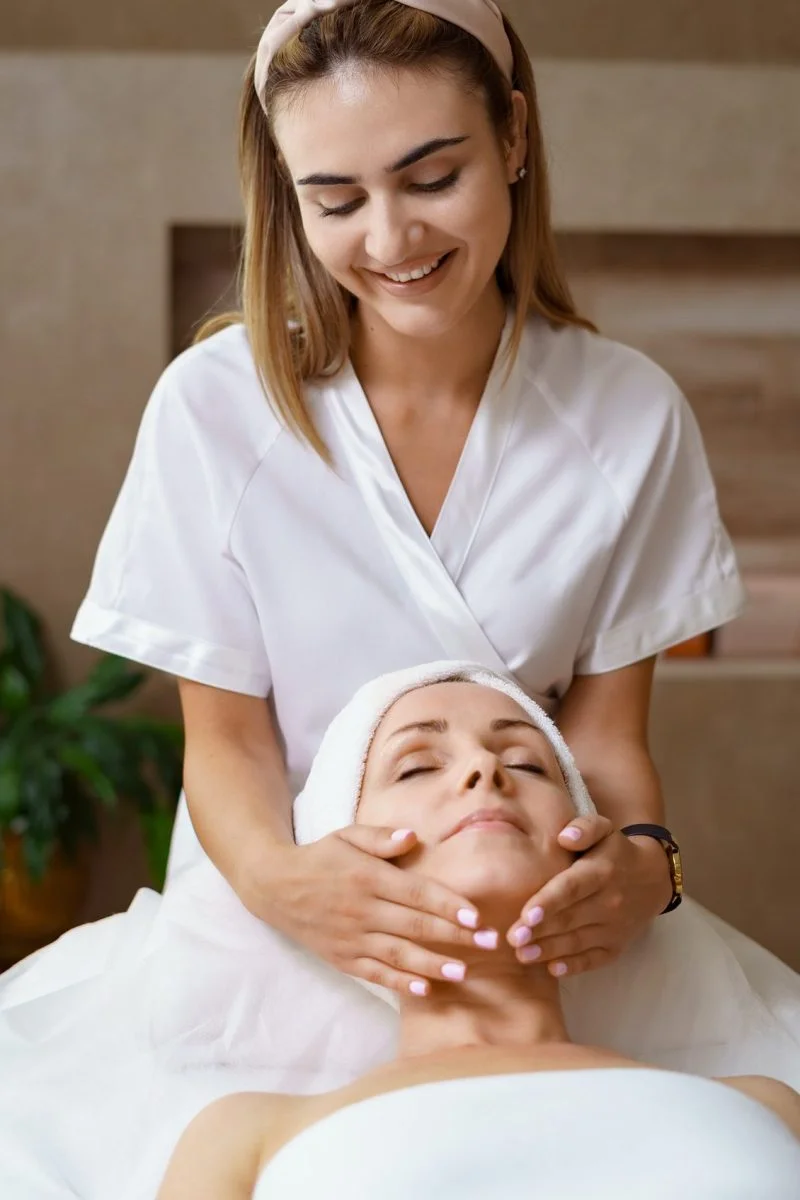
Your Facial Resurfacing Consultation
Before any resurfacing treatment, you’ll have a thorough medical consultation with one of our doctors.
During this appointment, we typically:
- take a detailed medical and skin history
- examine your skin in natural and clinical lighting
- assess texture, fine lines, pores, scarring, pigmentation and sun damage
- review previous treatments and current skincare
- discuss your goals, timeline and preferred level of downtime
- recommend one or more resurfacing options with expected recovery and costs
Facial
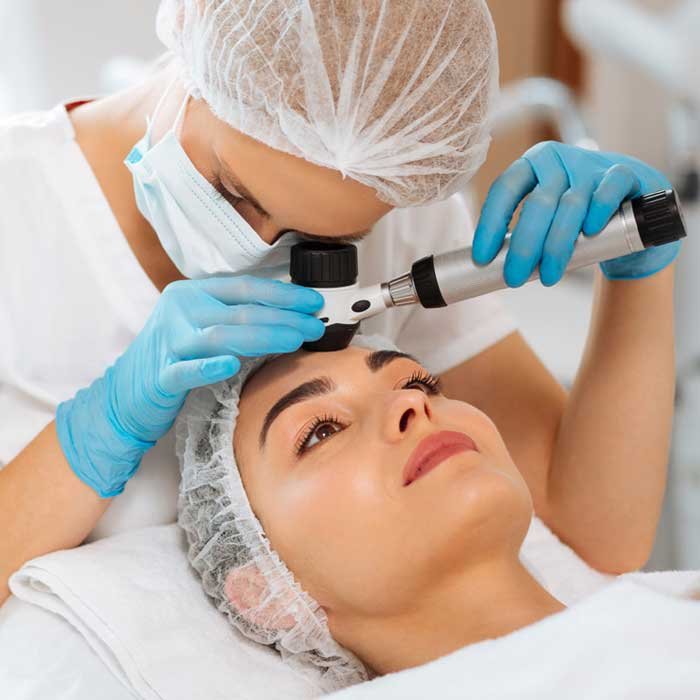
What Is Facial / Skin Resurfacing?
- smoother surface texture
- more even tone
- gradual softening of fine lines
- a healthier, better-functioning skin barrier
- laser (ablative or fractional)
- chemical peels
- energy-based needling
- or a combination over time
Facial
Concerns Facial Resurfacing May Help With
- fine lines and textural irregularities
- early wrinkles
- enlarged pores
- acne scarring
- visible sun damage and roughness
- Collagen Stimulation & Skin Remodelling
- pigment-targeted care via a Pigmentation Consultation
- medical skincare and sun protection
Facial
Our Approach to Resurfacing at The Skin Doctor
We do not believe in a “one treatment fits all” model.
Instead, we select the least intensive option likely to produce a meaningful improvement, while respecting your skin type, risk profile and lifestyle.
Laser Resurfacing
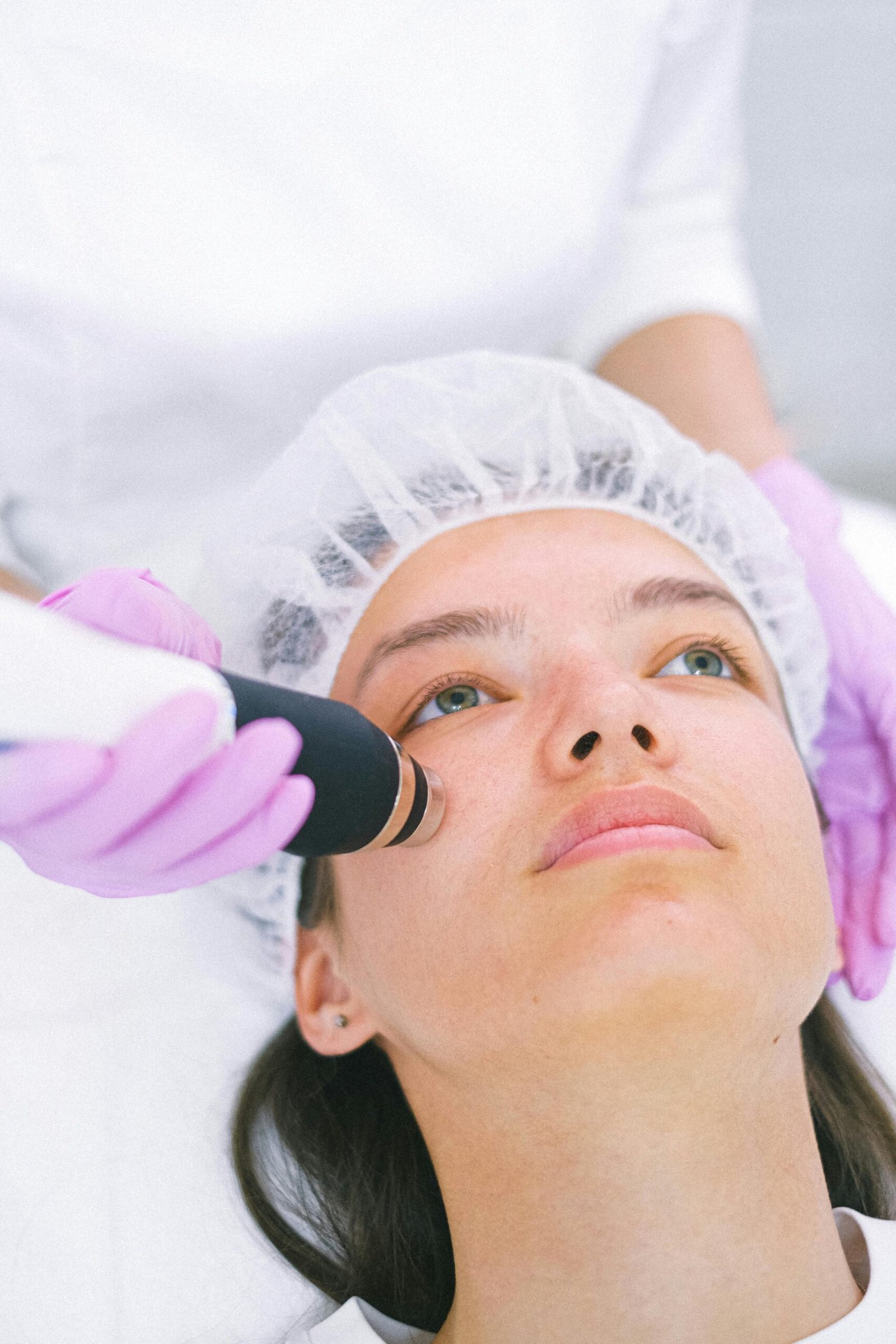
Fractional or full-field laser resurfacing can remove or vaporise microscopic columns of skin, encouraging collagen remodelling and renewal of the surface. Depth and intensity are adjusted carefully. Learn more at Laser & Light Treatments
Erbium / Ablative Resurfacing
Erbium-based treatments allow precise removal of thin epidermal layers, helping soften lines and improve texture with greater control over heat and recovery.
Fractional / Energy-Based Needling
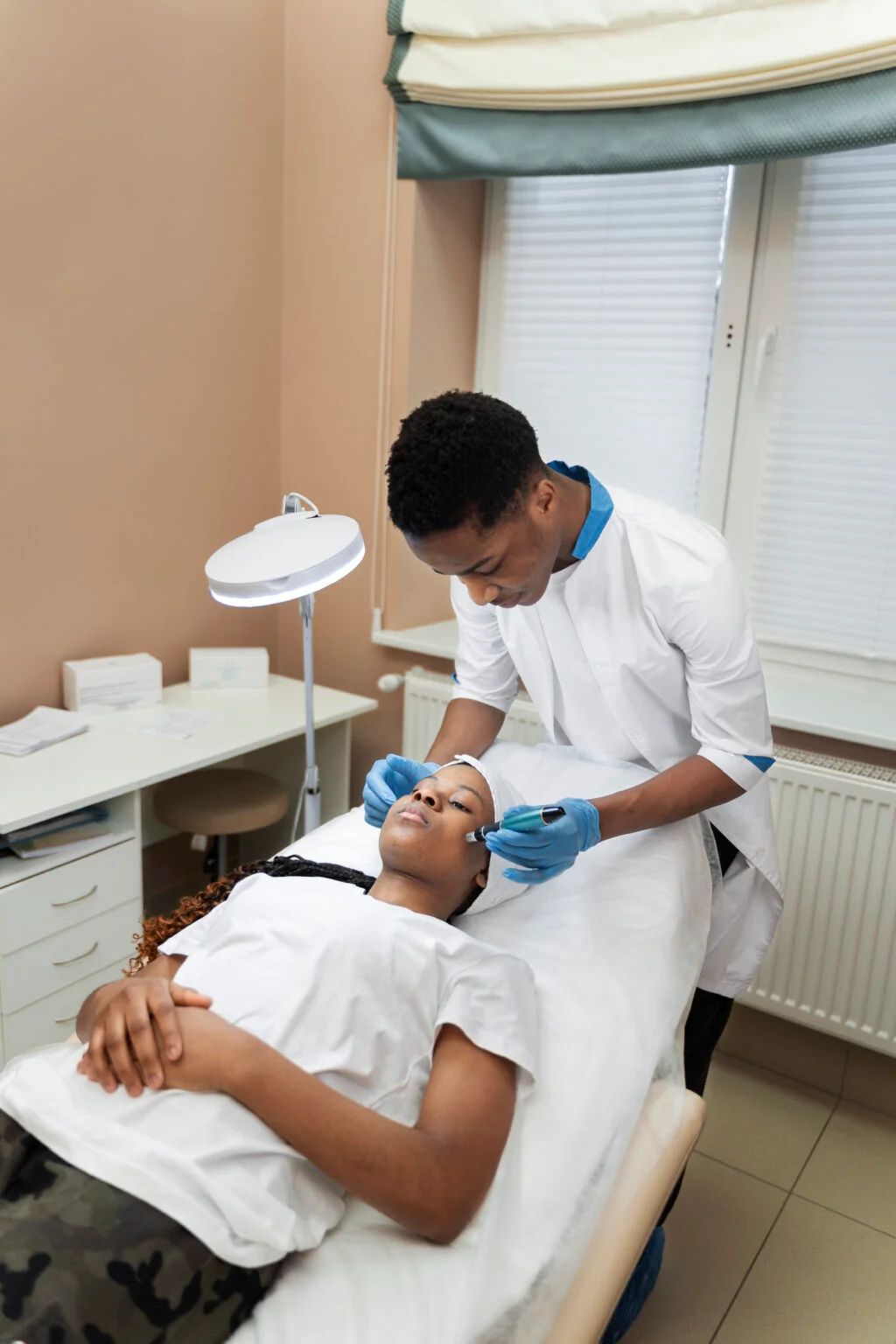
Microneedling combined with radiofrequency or other energy sources supports both texture and collagen, often with less surface disruption than fully ablative lasers.
Chemical Peels
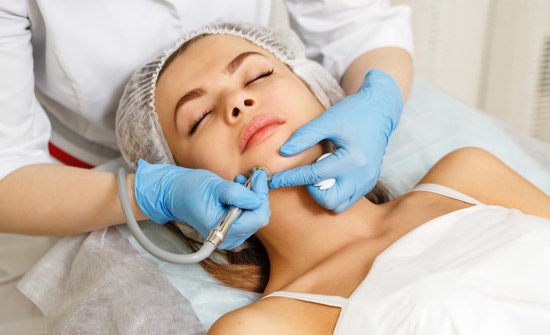
From light peels with minimal downtime to stronger corrective options, chemical peels use selected acids to shed surface layers and stimulate renewal. See related options under Skin Peels & Facials

Facial
What Is Involved in a Resurfacing Treatment?
- possible use of prescription skincare (e.g. sunscreen, pigment stabilisers, vitamin A)
- guidance on sun protection and treatment timing
- temporary cessation of certain products if required
- cleansing and photography
- numbing cream or local anaesthesia for more intensive treatments
- the resurfacing procedure itself (typically 20–60 minutes, depending on technique and area)
- mild redness and dryness with lighter treatments
- more pronounced redness, swelling, crusting or peeling with deeper resurfacing
- clear instructions for cleansing, moisturising and sun avoidance
- review appointments to monitor healing
Downtime can range from none to several days or more, depending on depth. This is discussed clearly before treatment.
Facial
Laser vs Non-Laser Resurfacing
Laser resurfacing
uses focused light energy to precisely remove tissue or create microscopic treatment zones, often reaching deeper structures and stimulating collagen.
Non-laser resurfacing
(such as chemical peels) uses solutions applied to the skin to dissolve or shed surface layers and encourage renewal.
FAQs
Frequently Asked Questions
Am I a suitable candidate for facial resurfacing?
You may be suitable if you are in good general health and are looking to improve texture, fine lines, mild scarring or sun damage. Suitability depends on skin type, medical history and medications, which is why consultation is essential.
Which resurfacing option has the least downtime?
Lighter chemical peels and very gentle fractional treatments usually involve the least downtime, but also produce more gradual change.
How many treatments will I need?
Some resurfacing approaches are performed as a series of lighter treatments; others are more intensive and performed less frequently. Your plan is individualised.
Will one treatment fix everything?
Resurfacing can produce meaningful improvement, but it does not stop ageing. Many patients benefit from an ongoing plan that includes maintenance, medical skincare and sun protection.