
Rosacea
Rosacea Treatments
Doctor-Led Care for Facial Redness, Flushing and Inflammatory Breakouts
Rosacea is a chronic inflammatory skin condition that commonly causes persistent facial redness, flushing, visible blood vessels and acne-like bumps. Symptoms often fluctuate and are triggered by factors such as heat, sun exposure, stress and certain skincare products.
At The Skin Doctor, rosacea treatment begins with accurate diagnosis and a staged, medically guided plan focused on calming inflammation, reducing visible redness and supporting long-term skin stability.
Our rosacea treatment approach is guided by current dermatology research and international consensus recommendations, and tailored to your individual skin pattern.
For a deeper explanation of rosacea, triggers, skincare and lifestyle strategies, see our detailed guide: Rosacea Patient Guide
Rosacea
What We Treat
We commonly help patients with:
- Persistent background facial redness
- Flushing and heat-triggered flare-ups
- Visible capillaries and broken blood vessels
- Rosacea papules and pustules (acne-like bumps)
- Sensitive or reactive skin that stings with many products
- Overlap concerns such as pigmentation or post-inflammatory marks
For many patients, persistent redness and visible vessels are the most frustrating and difficult symptoms to control with creams alone.
Rosacea
Vascular Laser for Rosacea Redness (Key Treatment)
For established rosacea redness and visible facial blood vessels, vascular laser treatment is the most effective long term treatment option available.
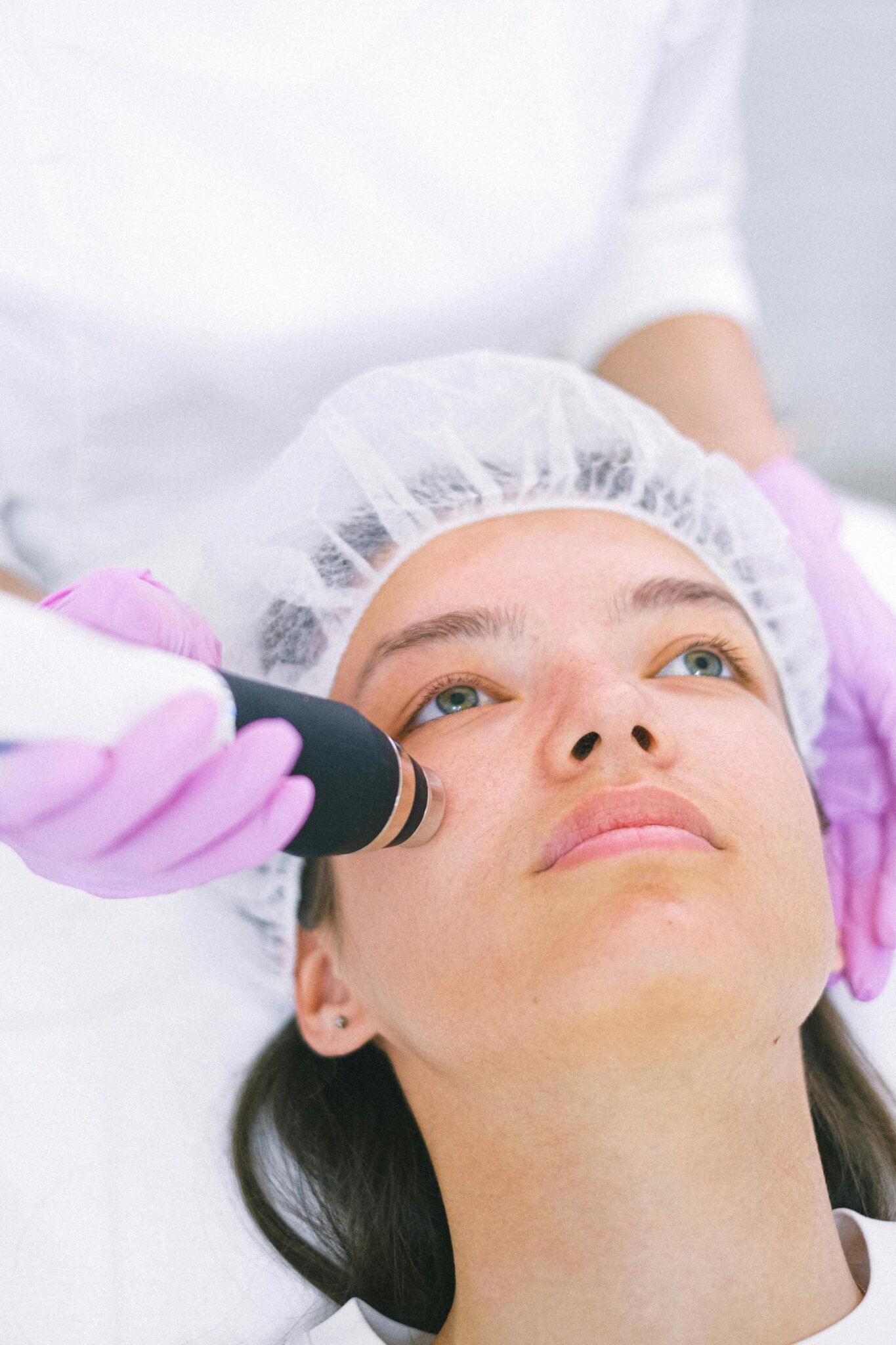
Vascular laser works by selectively targeting dilated blood vessels that contribute to background redness and flushing. These vessels are gradually cleared by the body, leading to a more even skin tone and reduced redness over time. Unlike topical treatments, laser addresses the structural cause of redness, not just surface inflammation.
Vascular laser may be appropriate if you have:
- Persistent background redness not responding to creams
- Visible facial capillaries (telangiectasia)
- Frequent flushing episodes
- Redness that affects confidence or daily comfort
Medicare rebates and vascular laser
In certain clinical circumstances, vascular laser treatment may be eligible for a Medicare rebate under item number 14100.
Important points to understand:
- Eligibility depends on your individual clinical presentation and whether Medicare criteria are met
- Not all vascular laser treatments are Medicare-rebatable
Some patients who have reached their Extended Medicare Safety Net threshold may find that Medicare contributes a higher proportion of the cost of eligible laser services for the remainder of the calendar year – making state of the art care very affordable.
If Medicare eligibility is relevant to you, this can be discussed in detail with your doctor during your consultation, including whether item 14100 may apply in your situation. No guarantees can be made prior to assessment.
Rosacea
Other Rosacea Treatment Options
Most patients benefit from a combination approach, with vascular laser addressing redness and medical therapy managing inflammation and breakouts.
Medical Management
For rosacea with inflammatory bumps, pustules or widespread sensitivity, treatment may include:
- Prescription topical therapies
- Short courses of oral anti-inflammatory medication where appropriate
- Barrier repair and sensitive-skin skincare planning
LED Therapy for Rosacea Support
Medical LED therapy may be used as a supportive treatment to:
- Calm inflammation
- Reduce background redness between active treatments
- Support recovery after vascular laser or medical therapy
LED therapy is gentle and well tolerated, particularly in sensitive or reactive skin.
Laser and Light Therapies (Staged Use)
In patients with both redness and inflammatory lesions, we often:
- Treat vascular redness first
- Then layer medical or LED therapy to reduce flare risk and improve comfort
This staged approach improves tolerance and leads to more durable results.
Rosacea
Why Our Approach Is Different
Doctor-Led Diagnosis
Rosacea can overlap with acne, periorificial dermatitis and contact dermatitis. Accurate diagnosis is essential, as incorrect treatment can worsen redness or sensitivity.
Treatments Used in the Right Sequence
Many patients have both vascular redness and inflammatory lesions. We plan treatment order carefully to:
- Reduce flares
- Minimise irritation
- Maximise long-term stability
Care for Pigmentation-Prone Skin
In melanin-rich or pigmentation-prone skin, rosacea treatment requires extra care to reduce the risk of post-inflammatory pigmentation.
Learn more: Skin of Colour Clinic
Rosacea
What to Expect
Your Consultation
Your consultation focuses on:
- Your rosacea pattern (redness, flushing, vessels, bumps, sensitivity)
- Trigger patterns and lifestyle contributors
- Previous treatments and product tolerance
- A staged plan with realistic timelines
Downtime
Downtime depends on treatment:
- Medical and skincare plans usually involve minimal downtime
- LED therapy has no meaningful downtime
- Vascular laser may cause temporary redness or swelling
Long-Term Management
Rosacea is chronic and typically requires:
- An initial control phase
- A maintenance strategy to reduce recurrence over time
Rosacea
Natural and Lifestyle Approaches
Trigger management, gentle skincare and lifestyle adjustments are an important foundation of rosacea care. While these approaches alone are often not sufficient for established redness or visible vessels, they play a key role in reducing flare-ups and supporting medical and laser treatments.
We outline evidence-informed natural and lifestyle strategies in detail here:
Book Online
Ready to Take the Next Step?
If rosacea redness, flushing or breakouts are affecting your comfort or confidence, a personalised treatment plan can make a meaningful difference.
Rosacea
Related Pages
FAQs
Frequently Asked Questions
Is rosacea curable?
Rosacea is usually managed rather than cured. With appropriate treatment, many patients achieve long periods of stability and reduced flare-ups.
Will laser fix rosacea permanently?
Laser can significantly reduce redness and visible vessels, but rosacea is chronic. Maintenance treatments may be needed over time.
Are natural treatments enough on their own?
Lifestyle and skincare changes are important, but persistent redness and visible vessels usually require medical or laser treatment for meaningful improvement.