Therapy for Acne
Laser & Light Therapy for Acne
A Smarter Way to Clear Acne
Targeting the cause, not just the symptoms
At The Skin Doctor, we treat acne as a medical skin condition rather than a cosmetic problem.
Our combined laser and light–based acne therapies work beneath the surface of the skin to reduce oil production, suppress acne-causing bacteria, calm inflammation, and support healthier skin over time.
This approach focuses on long-term control, not short-term suppression.
Patients choose laser and LED therapy to achieve:
- Fewer and less severe breakouts
- Faster healing of active lesions
- Reduced redness and post-acne marks
- Improved skin texture over time
- Reduced reliance on long-term antibiotics
All treatment plans are doctor-led and tailored following medical assessment.
Therapy for Acne
How Laser and Light Therapy Works
Acne develops due to a combination of excess oil production, follicular blockage, bacterial overgrowth, and inflammation. Laser and light therapies allow us to target these drivers directly and simultaneously.
Nd:YAG Laser Therapy
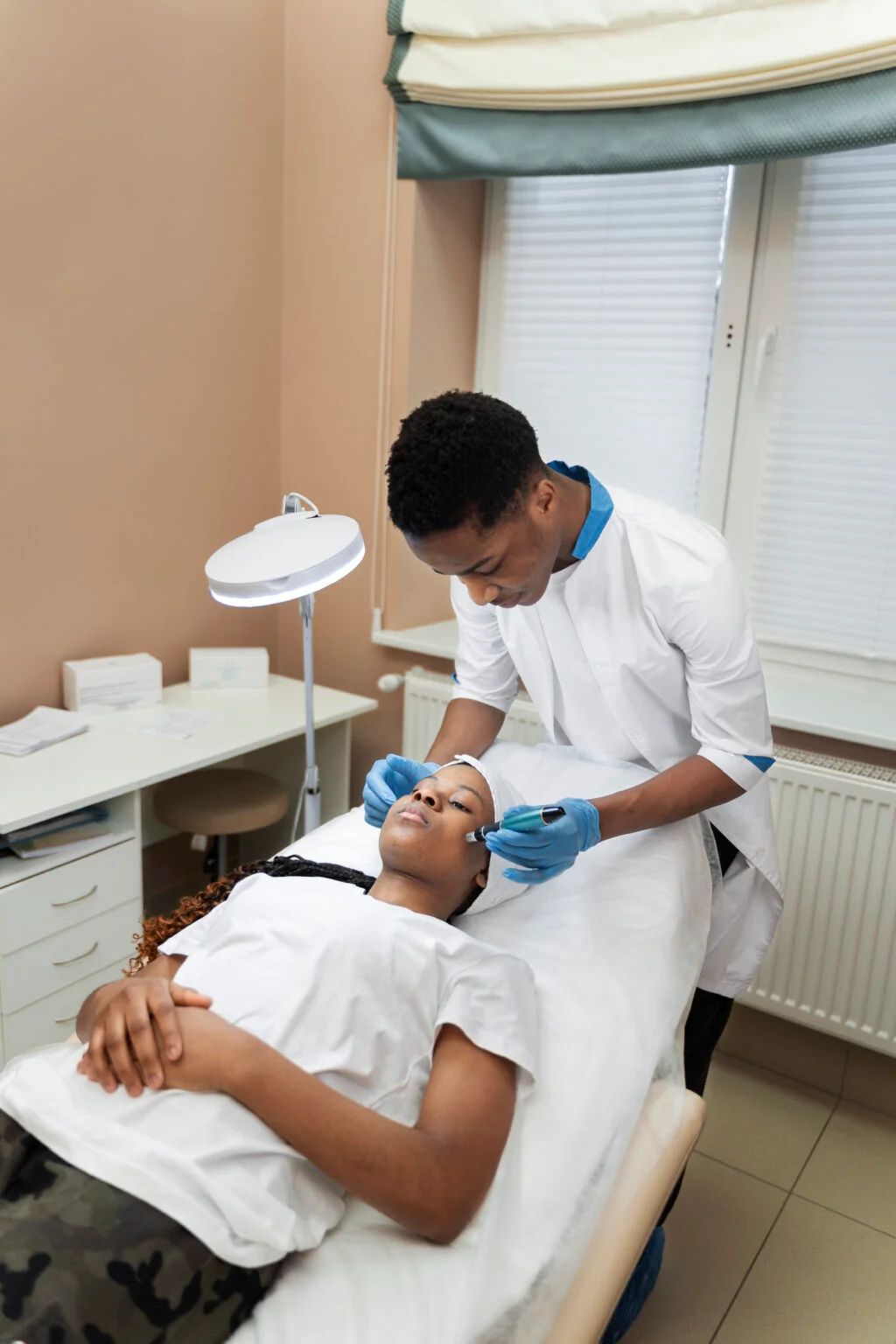
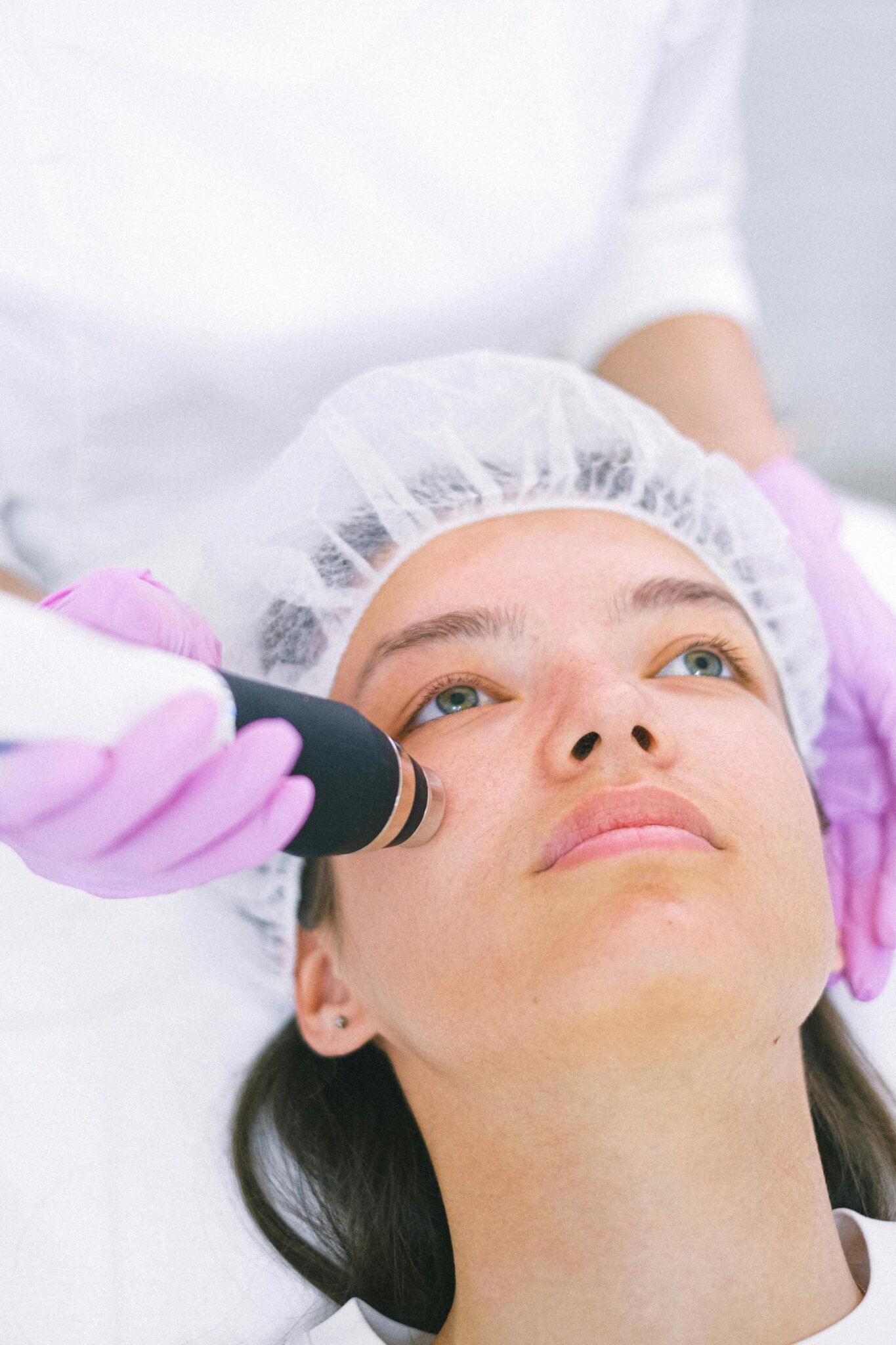
Non-ablative Nd:YAG laser energy penetrates deeply into the skin to:
- Reduce activity of overactive sebaceous glands
- Suppress acne-associated bacteria within follicles
- Calm inflammatory pathways involved in active acne
- Stimulate collagen, supporting smoother texture and skin repair
This internal approach helps control acne while preserving the skin barrier.
Medical LED Light Therapy
Medical-grade LED light therapy is often used alongside laser treatment to:
- Reduce redness and inflammation
- Support faster recovery following laser sessions
- Improve tolerance in sensitive or reactive skin
- Enhance overall acne control when used as part of a treatment course
The combination allows for effective treatment without excessive irritation or downtime.
Therapy for Acne
What This Treatment Is Best For
Laser and light therapy may be suitable for patients with:
- Active inflammatory acne
- Oily or congestion-prone skin
- Persistent breakouts despite appropriate skincare
- Post-acne redness or early textural changes
- Acne where long-term oral antibiotics are not desirable
Treatment parameters are adjusted carefully for patients with melanin-rich or pigmentation-prone skin.
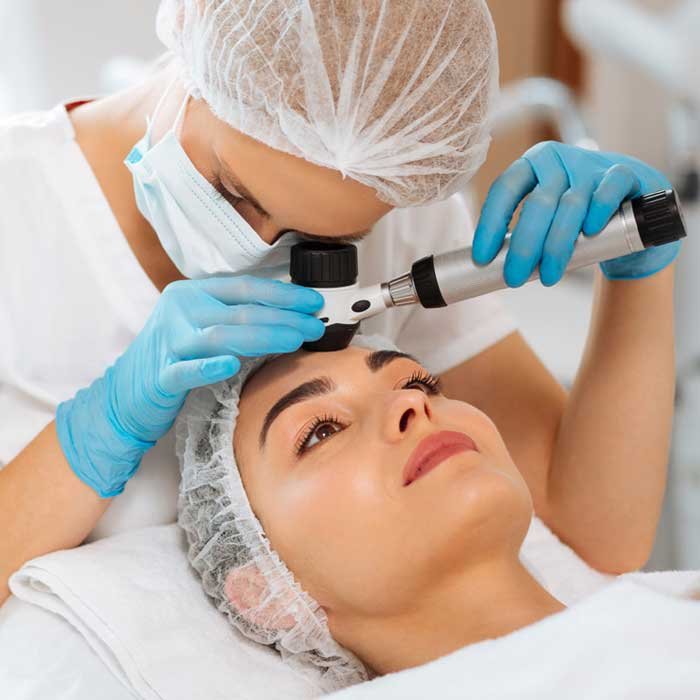
Therapy for Acne
Treatment Experience and Downtime
Downtime
Minimal. The skin may appear mildly flushed for several hours following treatment. Some patients experience mild, temporary purging early in the treatment course as congestion clears.
Comfort
Treatments are generally well tolerated. Cooling measures and LED support are used to optimise comfort and recovery.
Aftercare
- Gentle skincare only for 24–48 hours
- Daily sunscreen is essential
- Avoid active or irritating products between sessions
Many patients notice improvement within the first few sessions, with continued progress across the treatment course.
Let's start
How Many Sessions Are Needed?
Most patients benefit from:
- A course of 4–6 treatments, spaced weekly or fortnightly
- Maintenance treatments every few months where required
The exact number and spacing of sessions depend on acne severity, oil production, skin sensitivity, and contributing factors such as hormonal influence.
Therapy for Acne
Related Acne Treatments
Some patients benefit from a staged or combined approach, depending on acne severity and skin response.
- Er:YAG Laser for Acne Scarring
Resurfacing treatment designed to improve pitted or textural acne scars - Photodynamic Acne Therapy (20% ALA with Red LED)
Light-activated therapy used in selected cases of persistent or treatment-resistant acne
These options are discussed only when medically appropriate and are not required for all patients.
FAQs
Frequently Asked Questions
Is laser acne treatment safe?
Yes. Treatments are performed under medical supervision, with settings selected based on skin type, acne pattern, and pigmentation risk.
Will this replace skincare or medication?
Not necessarily. Laser and LED therapy are most effective when used as part of a comprehensive acne management plan, which may include medical-grade skincare or prescription treatments.
Is this suitable for darker or melanin-rich skin?
It can be, but requires careful assessment. Conservative Nd:YAG protocols and LED-dominant strategies may be preferred to minimise pigmentation risk.
Can this help prevent acne scarring?
By reducing inflammation and controlling active acne earlier, laser-based therapy may reduce the risk and severity of future scarring.